

There Is No Such Thing as “Away” When It Comes to Clothing Waste
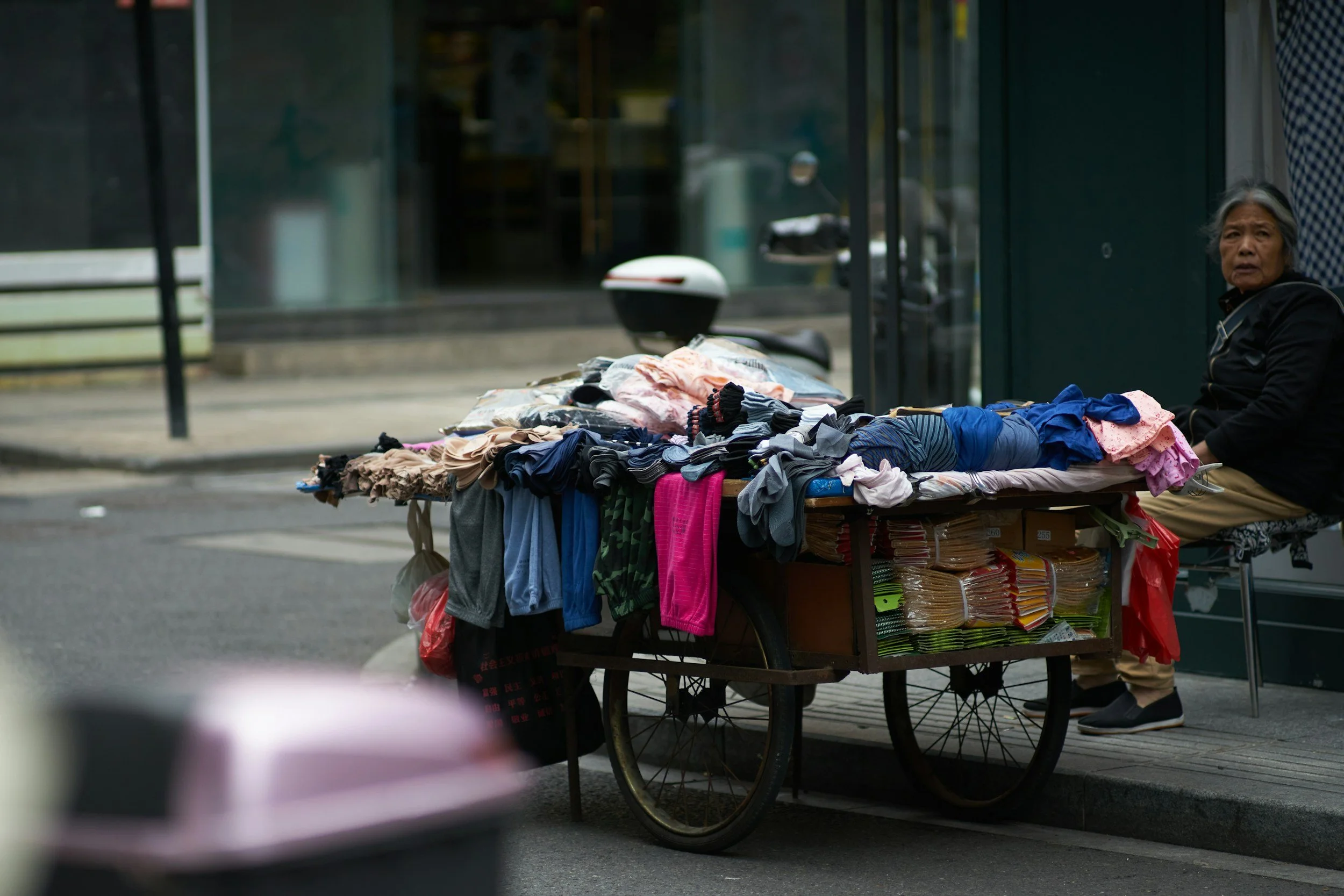
We were taught that once clothing leaves our closet, it disappears. But clothing waste does not vanish just because we cannot see it anymore.
Most people do not think much about where their clothes go after they leave their closet. We clean out a drawer, fill a donation bag, drop it off, and move on with our day. Once it is gone, we assume the problem is solved.
But when it comes to clothing waste, there is really no such thing as “away.”
That shirt you donated does not magically disappear because you cannot see it anymore. It enters a much bigger system that includes resale stores, textile sorting centers, exports, landfills, and waste piles most people never see. At Rotate, this idea is a huge part of how I think about sustainable fashion, secondhand shopping, upcycling, and clothing waste in Las Vegas.
Donation Is Not the End of the Story
A lot of people believe donating clothing means it will automatically go to another person who needs it. Sometimes that happens, but not always.
Thrift stores and nonprofits receive more clothing than they can sell, and according to The Washington Post, only about 30% of the total weight of donated clothing received by Goodwill is sold locally through stores, outlets, or online sales.
“Donation is not the end of the story.”
That does not mean donating is bad. Donation helps keep many clothes in use longer. The bigger issue is that we are buying and throwing away clothing faster than the system can keep up with. Some donated clothing is stained, damaged, overly worn, or made from cheap materials that are difficult to recycle. When that happens, the clothing may be turned into rags, shipped overseas, burned, or sent to a landfill.
The problem is not donating clothing. The problem is thinking donation automatically fixes the issue.
We Are Producing More Clothing Than the Planet Can Handle
The world is making more clothing every single year. According to Textile Exchange, global fiber production reached a record 124 million tonnes in 2023, and that number could grow to 160 million tonnes by 2030 if shopping habits continue at the same pace.
At the same time, less than 1% of clothing materials are recycled into new clothing. That means most clothing is not becoming new clothing again.
The Ellen MacArthur Foundation also reports that more than 80% of textiles worldwide are still sent to landfills, burned, or lost to the environment.
“Most clothing is not becoming new clothing again.”
In the United States, textile waste has grown by more than 50% since 2000, according to a 2024 report from the U.S. Government Accountability Office. At the same time, Americans are buying more clothes than ever before. The same report found that U.S. textile and apparel imports increased 182% between 2000 and 2023.
We are bringing more clothing into the world than the system can realistically handle.
Out of Sight Does Not Mean Out of Existence
One of the hardest parts of the clothing waste problem is that “away” often means another country. When thrift stores and textile companies cannot sell donated clothing locally, many items are bundled and shipped overseas. Some of the clothing gets resold, but some quickly becomes waste.
One of the most well-known examples is the clothing waste crisis in the Atacama Desert in Chile. According to The Guardian, Chile imports around 123,000 tonnes of used clothing every year, and large amounts of unsold clothing eventually end up dumped in the desert.

“Out of sight does not mean out of existence.”
This is actually what pushed me deeper into sustainable fashion in the first place. I remember seeing photos of clothing waste in the Atacama Desert and realizing clothes never truly go away. That moment completely changed the way I thought about shopping and overconsumption.
We Cannot Recycle Our Way Out of Overconsumption
A lot of brands talk about clothing recycling like it is the perfect solution, but the truth is much more complicated. Many clothes today are made from mixed materials like polyester, cotton, acrylic, and elastane blended together, and those fabrics are difficult and expensive to separate and recycle.
That is one reason textile-to-textile recycling is still below 1% globally. Recycling matters, but it cannot keep up with how fast clothing is being made and thrown away.
That is why wearing clothes longer matters so much. Repairing clothes matters. Shopping secondhand matters. Upcycling matters. Learning how to style what you already own matters.
“The most sustainable clothing is often the clothing already in your closet.”
What We Can Do Instead
At Rotate, I care more about helping people keep clothing in rotation longer before it becomes waste. That can look like shopping secondhand instead of always buying new, repairing damaged clothing, attending repurpose parties(link to Repurpose Parties page), using DIY upcycling kits(link to Shop page), exploring secondhand fashion in Las Vegas(link to homepage or Shop page), practicing the 30 wears rule(link to 30 wears blog post), and learning how to re-style clothes you already own instead of constantly replacing them.
Sustainable fashion does not have to mean being perfect, and most people are not going to become zero-waste overnight. But understanding that clothing does not simply disappear is an important place to start.
“There is no magical “away.” There are only landfills, exports, donation systems, and the choices we make before clothing gets there.”
The longer we keep clothes in use, the less waste we create in the first place.