

The 30 Wears Rule: A Simple Way to Shop More Sustainably
The Complete Guide to Upcycling Clothes in Las Vegas
If you’ve ever stood in front of a full closet and still felt like you had nothing to wear, you are not alone. Most of us were taught that the solution to wardrobe frustration is simply buying something new. Fast fashion reinforced the idea that “new” equals “better.” In reality, constant buying often leads to more clutter, more waste, and less connection to what we own.
Upcycling clothes offers a different approach. Instead of replacing garments the moment they feel outdated or damaged, upcycling invites you to rework what already exists. Whether you are experimenting at home or looking for upcycling experiences in Las Vegas, learning how to repurpose clothing can help you build a more intentional, creative, and sustainable wardrobe.
What Is Upcycling?
Upcycling is the process of transforming old, worn, stained, or forgotten clothing into something new and wearable again.
Unlike recycling, which breaks materials down into raw fibers, upcycling works with the garment in its existing form and enhances or reimagines it.
In practical terms, that might look like:
Turning a stained graphic tee into a patchwork tote
Cropping and reshaping oversized vintage denim
Using fabric scraps as embellishments on a jacket back
Removing sleeves from an outdated blouse and adding hardware
The goal is not just to prevent waste. It is to create something personal, expressive, and completely your own.
Why Upcycling Clothes Matters
Textile waste is a growing issue in the United States. Millions of tons of clothing end up in landfills each year, and many donation centers are overwhelmed with more items than they can resell. While donating may feel responsible, a significant percentage of those garments never return to active wardrobes.
Upcycling clothing helps extend the life of garments and reduce demand for new production. It supports what is known as circular fashion, a system built around:
Reuse
Repair
Repurpose
Resale
Reduction
Instead of following the traditional cycle of buy, wear, discard, circular fashion keeps materials in motion for as long as possible.
Beyond sustainability, upcycling offers something equally important: originality. When you rework a garment yourself, you create something that cannot be replicated. Your wardrobe becomes less about trends and more about identity.
Why Upcycling Fits in Las Vegas
Las Vegas is a city built on reinvention. From nightlife and festivals to themed events and travel culture, style here moves quickly. That pace can encourage frequent shopping and rapid wardrobe turnover, especially for special occasions.
Upcycling provides a smarter alternative. Instead of buying something new for every event, you can rework what you already own. Instead of letting worn pieces sit untouched, you can revive them with intention.
Local upcycling workshops and repurpose parties in Las Vegas make this process even more accessible by providing materials, instruction, and a creative environment. In a city known for bold self-expression, upcycling aligns naturally with individuality.
How to Start Upcycling Clothes at Home
Getting started does not require professional sewing skills or a full studio setup. In many cases, it begins with looking at your closet differently.
Step One: Conduct a Closet Audit
Pull out pieces that are:
Stained but structurally sound
Slightly damaged
Outdated yet high quality
Sentimental but unworn
Before labeling something as trash, ask whether it can be reworked. Often, small changes are enough to shift how a garment feels.
Step Two: Add Before You Cut
Beginners often reach for scissors immediately. A better starting point is addition rather than alteration.
Consider experimenting with:
Iron-on patches
Fabric appliqué
Embroidery
Fabric paint
Decorative hardware
A single well-placed detail can completely transform a garment without requiring full reconstruction.
Step Three: Focus on High-Impact Areas
If you want to personalize more boldly, target areas that naturally draw attention, such as:
Jacket backs
Denim thighs
Sleeve cuffs
Pocket edges
These focal points allow you to experiment without dismantling the entire piece.
Do You Need to Know How to Sew?
Many people assume upcycling requires advanced sewing skills. In reality, numerous beginner-friendly techniques involve no sewing at all.
You can use:
Iron-on adhesive
Fabric glue
Pre-cut embellishments
Layering techniques
Intentional distressing
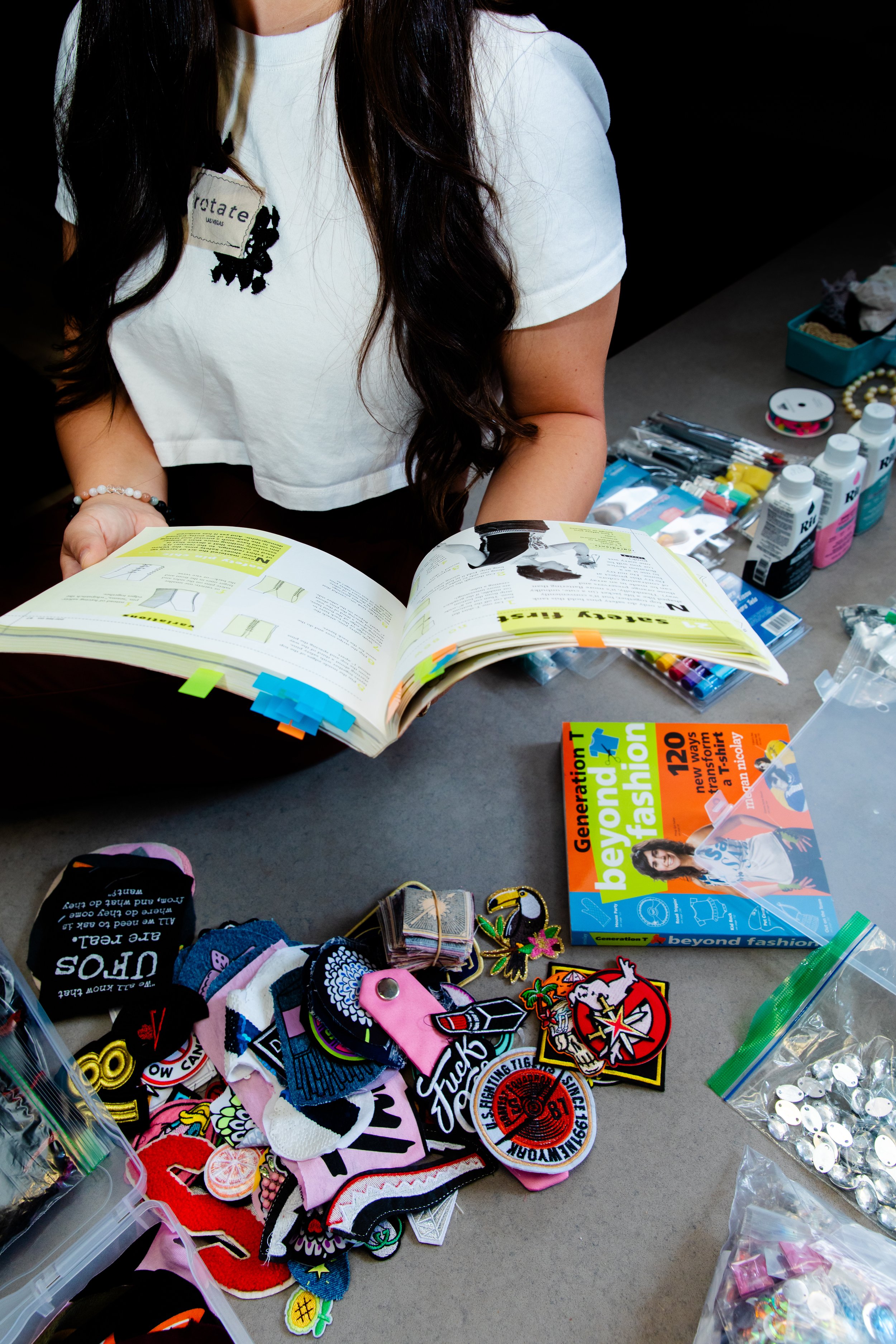
For those who prefer a more guided approach, our DIY upcycling kits provide coordinated patches, fabric cutouts, and embellishments designed to make the process simple. They remove guesswork and make sustainable fashion more approachable.
Upcycling is less about technical perfection and more about creative willingness.
Hosting a Repurpose Party in Las Vegas
Upcycling can also be a shared experience. If you want guided support, you can host a repurpose party in Las Vegas where materials, tools, and instruction are provided. Repurpose parties offer a hands-on way to transform clothing while connecting with others. Guests bring garments they are ready to reimagine, and materials such as patches, trims, and secondhand fabric scraps are provided.
These events work especially well for:
Birthday parties
Bachelorette gatherings
Girls’ nights
Corporate team-building workshops
Community events
Instead of leaving with disposable party favors, participants leave with something wearable that they helped create. Sustainable fashion becomes interactive rather than abstract.
What About Clothes That Cannot Be Worn?
Not every garment can be fully restored to wearable condition. That does not mean it has no value.
Fabric that is too stained or damaged for resale can still become:
Patches for other garments
Appliqué elements
Trim details
Stuffing for accessories
Layering materials
When clothing is viewed as a resource rather than a disposable product, its potential expands significantly. If you have clothing you no longer want but are not sure what to do with, you can sell your clothes to Rotate instead of dropping them off at the thrift store.
Shopping Upcycled and Secondhand Fashion
If DIY is not your preference, you can explore our curated secondhand and upcycled fashion shop to keep garments in circulation without starting from scratch.”
Look for:
Reworked garments
Limited upcycled drops
Curated resale collections
Local sustainable fashion brands
Shopping resale and upcycled fashion keeps garments in circulation and reduces textile waste without requiring a complete lifestyle overhaul.
The Bigger Picture: Circular Fashion
Upcycling is one part of the broader circular fashion movement. Instead of the linear cycle of buy, wear, discard, circular fashion keeps materials active for as long as possible.
Its principles are simple:
Reuse before you replace
Repair before you discard
Repurpose before you trash
Resell before you donate without thought
Reduce what you bring in
Las Vegas may have a reputation for excess, but it also thrives on creativity and reinvention. Upcycling reflects that spirit by encouraging individuality while reducing waste.
Choosing to upcycle clothes is not about restriction. It is about intention. It is about recognizing that your wardrobe already holds more potential than you think.
Whether you begin at home, attend a repurpose party in Las Vegas, explore a DIY upcycling kit, or shop curated secondhand pieces, the goal remains the same: keep garments in circulation and build a wardrobe that feels personal, creative, and sustainable.
Your next favorite piece may already be in your closet.
The 30 Wears Rule: A Simple Way to Shop More Sustainably
If you follow Rotate, you’ve probably heard me talk about the “30 wears rule.” The idea came from the Wear Me 30 Times campaign, which encourages people to ask themselves one simple question before buying clothing: “Will I wear this at least 30 times?”
That question completely changed the way I shop.
Not because I suddenly became perfect at sustainable fashion overnight. I definitely did not. It changed because I started slowing down before buying clothes and thinking more carefully about whether something actually fit my life, my style, and my closet.
Fast fashion has made clothing feel disposable. You can buy a shirt for almost the same price as a coffee, trends move faster than ever, and social media constantly pushes the idea that we need a new outfit for every event, season, or trend cycle. Because of that, many of us end up with closets full of clothes we barely wear.
The 30 wears rule helps break that cycle. Instead of asking, “Do I want this right now?” you start asking, “Will I actually wear this over and over again?” That small pause can make a huge difference.
For me, the rule is not really about counting exact wears. It is more about shopping with intention. Can I style this multiple ways? Does it match my lifestyle? Will I still want to wear this six months from now? Those questions help separate impulse buys from pieces that truly deserve space in my closet.
One of the biggest misconceptions about sustainable fashion is that you need to throw away your entire wardrobe and replace it with expensive “ethical” clothing. That is not true at all. Sustainable fashion starts with using what you have. Noticing what you’re always reaching for. It can look like repeating outfits, shopping secondhand, repairing damaged clothes, swapping clothes with friends, or learning how to style pieces you already own in new ways.
At Rotate, that is a huge part of what we try to encourage through upcycling workshops, DIY kits, and secondhand fashion in Las Vegas. The goal is not perfection. The goal is keeping clothes in rotation longer and helping people feel more connected to the things they already own.
I have also noticed that understanding your personal style naturally helps reduce overconsumption. When you know what you actually like and what makes you feel confident, you stop buying random trend pieces just because everyone online has them. You stop feeling pressure to reinvent your wardrobe every few weeks and start building a closet filled with things you genuinely enjoy wearing.
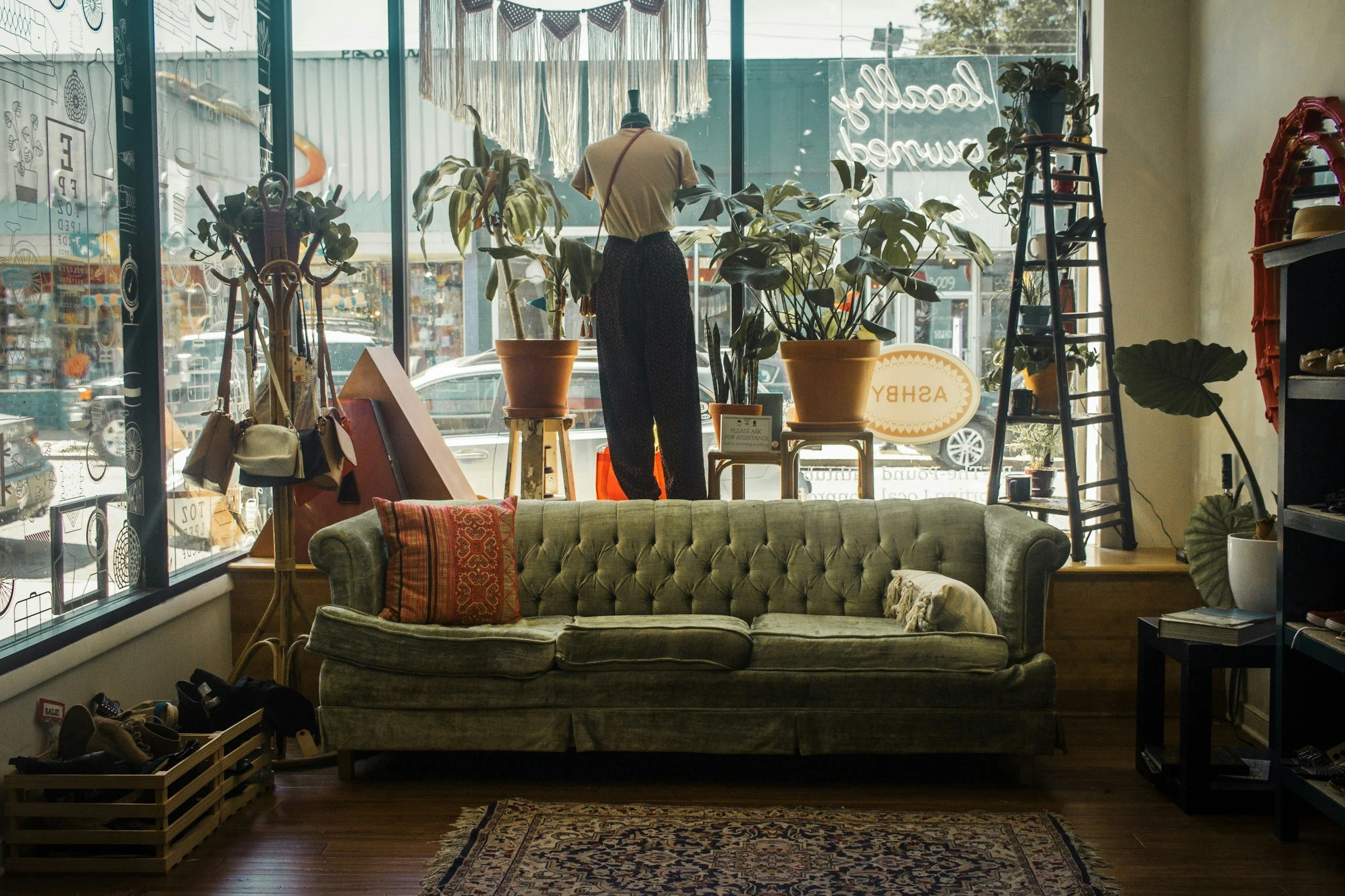
Secondhand shopping also makes the 30 wears rule feel more realistic and accessible. Buying secondhand gives clothing another life instead of demanding brand-new production every time we want something “new.” It also creates room to experiment with style without contributing as heavily to the fast fashion cycle. Whether you thrift online or explore sustainable fashion in Las Vegas (link to homepage or About page), you are helping keep clothing in use longer.
I do not follow the 30 wears rule perfectly every single time, and honestly, I do not think that is the point. The point is becoming more aware of how we consume clothing and how quickly we are taught to throw things away. Even small changes matter. Wearing your clothes longer matters. Repairing them matters. Shopping secondhand matters. Thinking before buying matters.
If you are looking for more ways to keep your clothes in rotation, learn about upcycling clothes, explore secondhand fashion, or join one of Rotate’s repurpose parties in Las Vegas.
We do not need a handful of people doing sustainable fashion perfectly. We need millions of people trying a little harder and making more thoughtful choices one outfit at a time.