

The 30 Wears Rule: A Simple Way to Shop More Sustainably
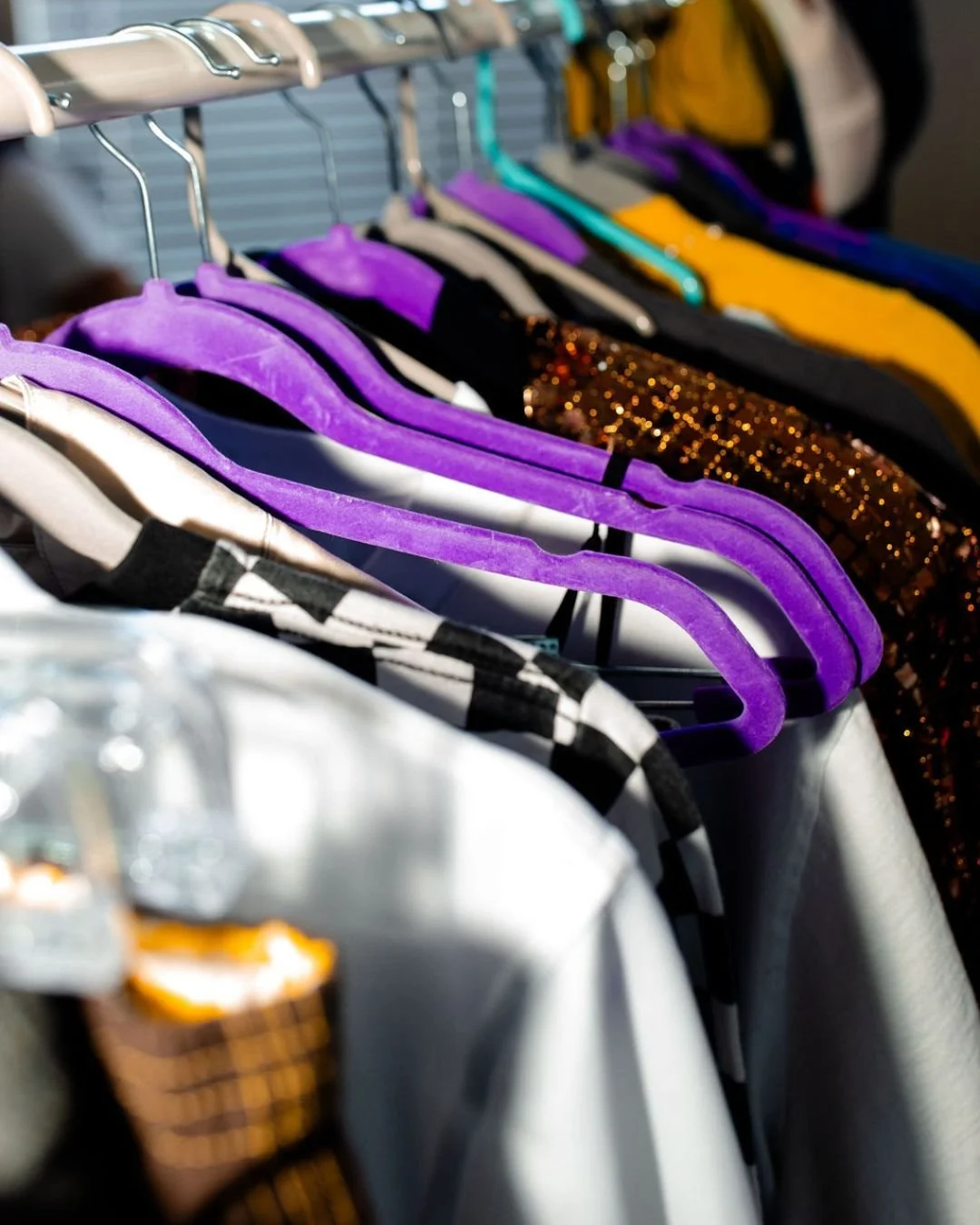
The 30 Wears Rule: A Simple Way to Shop More Sustainably
The point isn't actually wearing everything exactly 30 times
If you follow Rotate, you've probably heard me talk about the 30 wears rule approximately 4,000 times.
It comes from the [Wear Me 30 Times campaign], and the basic idea is that before buying something, you imagine yourself wearing it at least 30 times.
I started using it because I wanted to shop more intentionally, but somewhere along the way I realized the number itself wasn't actually the useful part.
The useful part was the pause.
Instead of seeing something, loving it and immediately finding myself at checkout, I had to spend a few extra seconds imagining this thing in my actual life.
Not my vacation life. Not my Pinterest life. Not the life where I apparently attend fabulous dinner parties every Thursday.
My real one.
And that changed the way I shop.
Thirty isn't a magic number
I want to make this very clear because the last thing sustainable fashion needs is another arbitrary rule for us to feel guilty about breaking.
I am not counting every time I wear my clothes.
There is no spreadsheet. Nobody from Rotate is coming to confiscate your dress because you only wore it 27 times.
For me, 30 wears is more of a thought experiment.
When I picture myself wearing something 30 times, I have to get past the initial oooooh, I want that feeling and think about what happens after I bring it home.
I start thinking about whether it works with clothes I already own, whether I'd reach for it on a normal Tuesday, whether it's comfortable enough for my actual life, and whether I like the piece itself or just really like how someone styled it on Instagram.
Thirty wears gives me enough imaginary distance from the purchase to see it a little more clearly.
Sometimes I still want it.
Great.
Other times I realize I have once again been shopping for a fictional version of myself.
Also useful information.
Your closet already has the answers
One of the easiest ways I've found to shop better has nothing to do with shopping.
Look at what you already wear.
There are probably pieces in your closet you've worn far more than 30 times without ever thinking about it. The jeans you grab constantly. The jacket that somehow works with everything. The weird vintage shirt that has survived five different versions of your personal style.
Those pieces are giving you clues.
Maybe you always reach for oversized silhouettes. Maybe everything you actually wear has pockets. Maybe you keep buying delicate tops and then exclusively wearing T-shirts because, deep down, you are a T-shirt person.
Learning your personal style isn't only about figuring out what looks good. It's also figuring out what works for the life you genuinely live.
Once you start noticing those patterns, shopping gets a lot easier.
Personal style is an underrated sustainability tool
I think we talk a lot about where people should shop sustainably and not nearly enough about why we're shopping in the first place.
Knowing your personal style doesn't mean choosing one aesthetic and committing to it for the rest of your natural life.
Please don't.
Style should change because you change.
The difference is learning to recognize something you genuinely love versus something you've simply seen enough times that your brain has decided you need it too.
Trend cycles are incredibly good at blurring that line.
When you have a stronger sense of what feels like you, it becomes easier to enjoy a trend without automatically needing to own it.
You can admire the tiny sunglasses from a safe distance.
Secondhand makes experimenting more fun
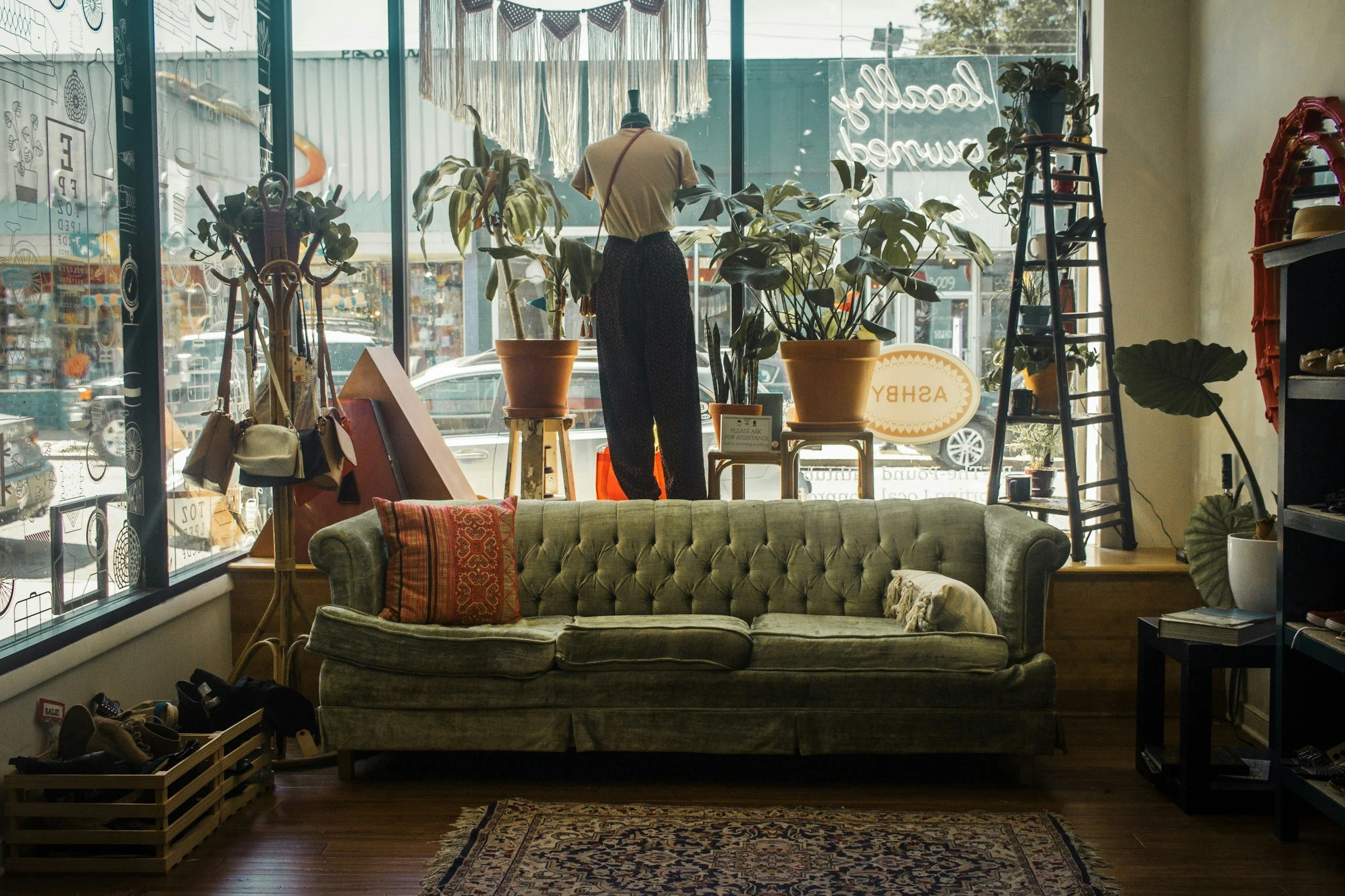
This is also one of the reasons I love secondhand shopping.
A thrift store isn't showing you one perfectly merchandised version of who you're supposed to be this season. You're looking at decades of styles, colors, fabrics and someone's extremely specific former life all mixed together.
It gives you room to experiment.
You might discover a silhouette you never would have searched for online or find yourself inexplicably attached to a jacket you would have walked right past in a traditional store.
Secondhand clothing also keeps existing pieces in circulation, which is exactly where I want more clothes to stay.
But I don't think buying something secondhand automatically makes every purchase sustainable either.
A thrift-store impulse buy that lives unworn in the back of my closet is still something I didn't need.
Thirty wears works there too.
Start with what you own
Sustainable fashion has somehow picked up this aesthetic where we're all supposed to throw out our wardrobes and replace everything with beautifully made ethical basics in varying shades of oatmeal.
Please don't do that.
The clothes you already own are the best place to start.
Wear them again. Style them differently. Repair the hole. Dye the stain. Crop the thing you've been meaning to crop for three years. Swap something with a friend.
If you love a piece but don't love it as it is, change it.
That's a huge part of what we do through Rotate's [Repurpose Parties] and [DIY upcycling kits]. I want the space between I don't wear this anymore and I'm getting rid of it to get much, much bigger.
There are so many possibilities in between.
The rule is really a reminder
I still buy things I probably won't wear 30 times.
Sometimes there's an outfit I want for a special occasion. Sometimes I experiment and get it wrong. Sometimes I buy something I absolutely love and six months later wonder what on earth I was thinking.
I'm okay with that.
The 30 wears rule hasn't made me a perfect shopper, and I don't want it to.
It's made me a more curious one.
I notice what I wear. I understand my personal style better. I catch myself when I'm shopping for an imaginary version of my life, and sometimes I put something back because I realize I don't actually want it as much as I thought I did.
That's enough for me.
Sustainable fashion doesn't need to turn your closet into another place where you're trying to get a perfect score.
So forget about counting to 30.
Just give yourself long enough to imagine getting there.