

I toured a recycling center and apparently I’ve been doing it wrong
You know that very satisfying feeling when you put something in the recycling bin and think, great, I did the responsible thing.
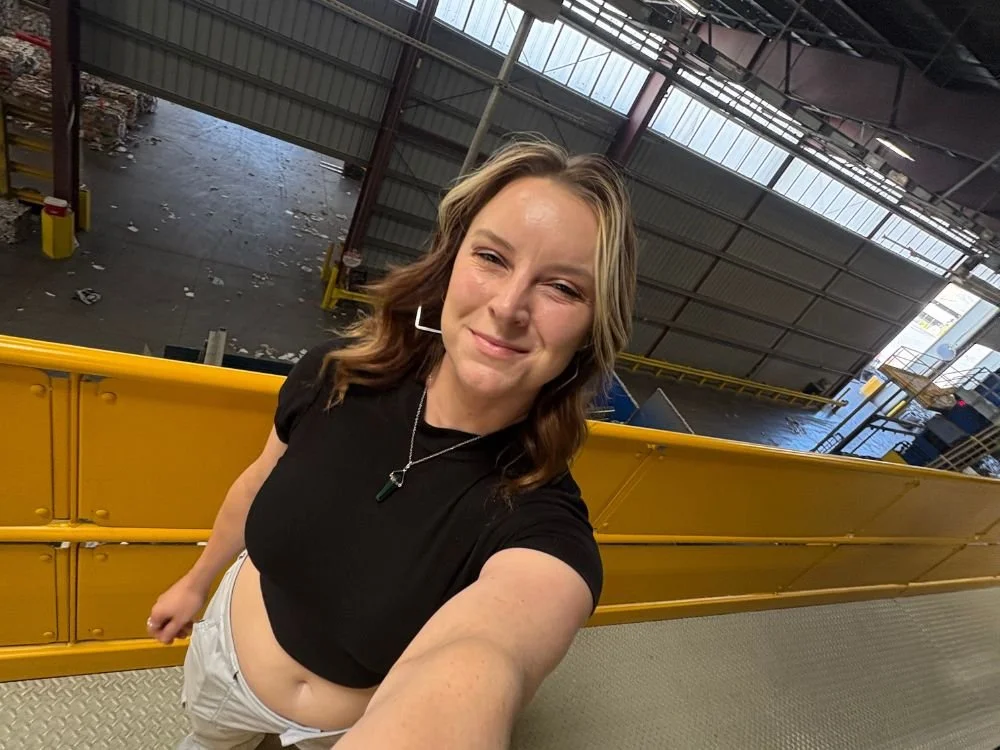
Well, I recently toured a recycling facility in Las Vegas and learned that some of the things I have been very responsibly tossing into my recycling bin might not have been getting recycled at all.
Love that for me.
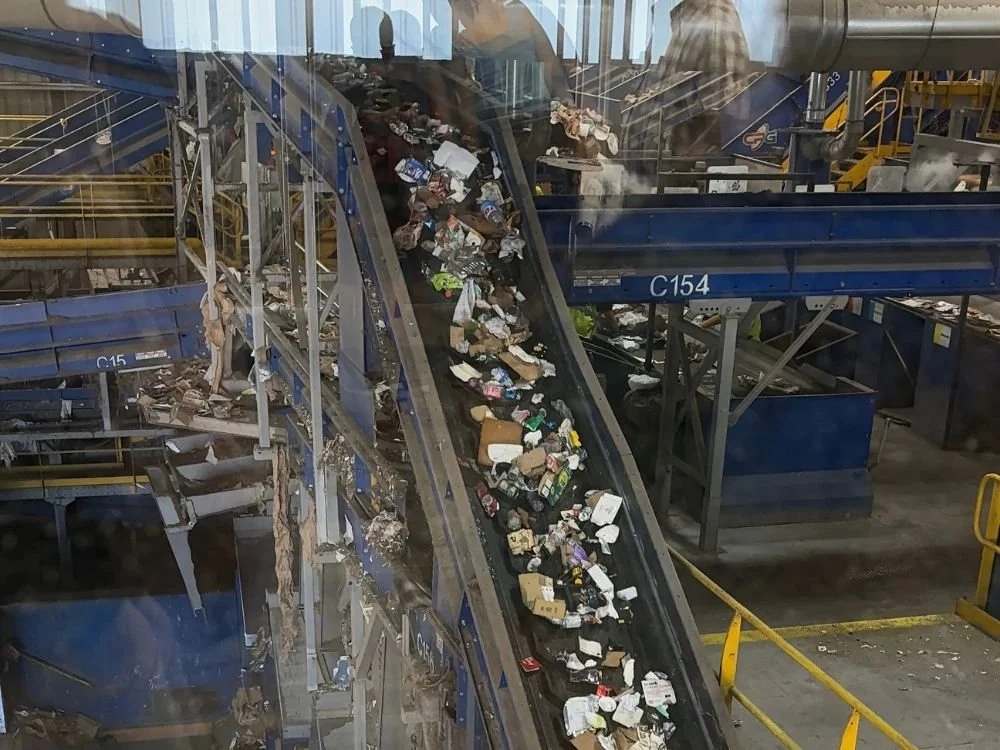
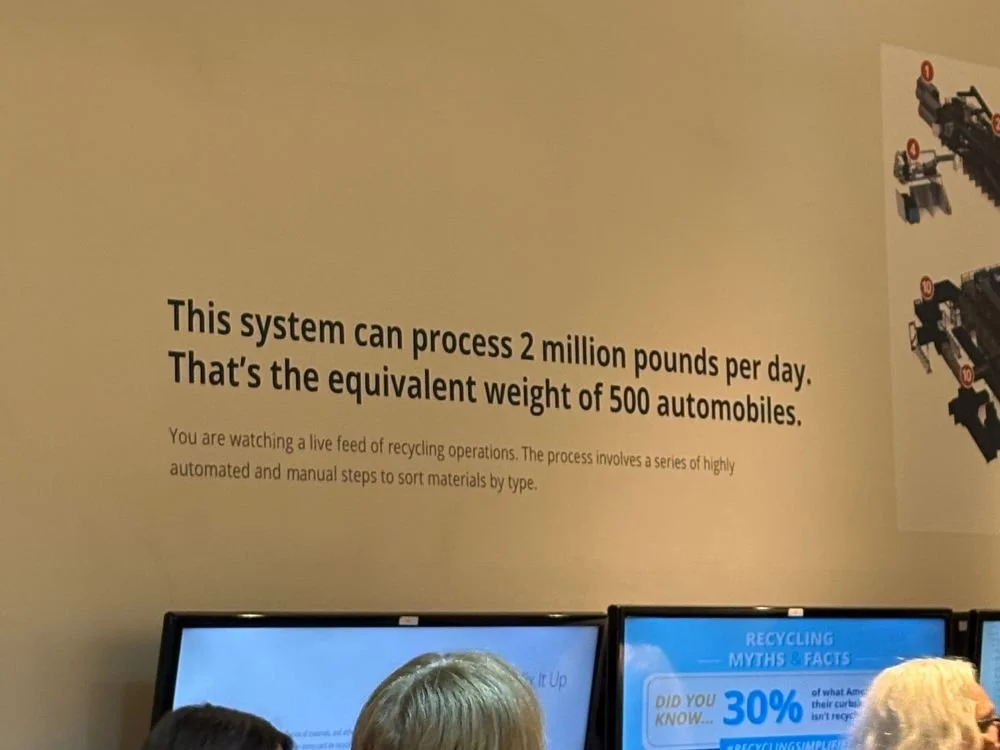
The facility I visited can sort up to 70 tons of material an hour, with each truck bringing in recycling from roughly 1,200 homes a day. Standing there watching an absolutely wild amount of our stuff move through the system made the idea of throwing something “away” feel very different.
Because this is away…
It’s not disappearing when the truck picks it up. Someone, or more likely a very large machine, still has to figure out what to do with it.
Before we get into everything I learned, there is one VERY important caveat. Recycling is local. Las Vegas has a robust recycling system, but the equipment, accepted materials and rules can be completely different depending on where you live.
So I don’t want you to treat this as the definitive guide to what belongs in your recycling bin. Instead, consider it your big-sister nudge to look up your local recycling rules and, if you can, go tour the facility yourself.
With that said, there were a few things I learned in Vegas that completely changed the way I look at my recycling bin.
Separate. Everything.
This was probably my biggest takeaway from the entire tour.
A material being recyclable does not necessarily mean the thing you’re holding can go straight into the recycling bin as-is.
The Las Vegas system sorts materials individually, which means something made from multiple recyclable materials can still cause a problem if those materials are attached to each other.
Take a book. The outside might be cardboard and the pages might be paper. Both materials can be accepted individually, but the sorting system does not magically take the book apart for you.
The same idea can apply to packaging, magazines and other things made from more than one material.
I think this is where a lot of us, myself included, have misunderstood recycling. We look at an object and ask whether it is recyclable, when sometimes we need to look at all the individual pieces that make up that object.
If they can be separated, separate them.
Give that bottle five more seconds
I will fully admit that I thought rinsing out a bottle and tossing it in the recycling was enough.
Apparently, I have some homework.
At the facility I toured, they stressed that recyclables should be empty, clean and dry. Leaving liquid or other contents inside can keep something from being recycled, even when the container itself belongs in the recycling stream.
They also showed us why those extra five to seven seconds spent removing a wrapper from a bottle can matter. The bottle and wrapper are different materials, and leaving them together can mean the sorting system does not recognize the bottle correctly.
Five seconds suddenly feels like a pretty good trade.
The plastic bag is not helping
This one surprised me because putting all of your recycling into a bag feels so tidy and responsible.
At the Las Vegas facility, employees do not open plastic bags to investigate the mystery assortment of good intentions inside. The whole bag gets thrown away.
So all of those beautifully cleaned cans, bottles and containers you carefully collected can end up in the trash because you put them inside a bag before putting them into the bin.
Again, your local rules may be different, but this is exactly why knowing how your recycling facility works matters so much.
Stop crushing everything into oblivion
I have absolutely crushed cans and water bottles before putting them in the recycling because smaller obviously means better.
Except sometimes it doesn't.
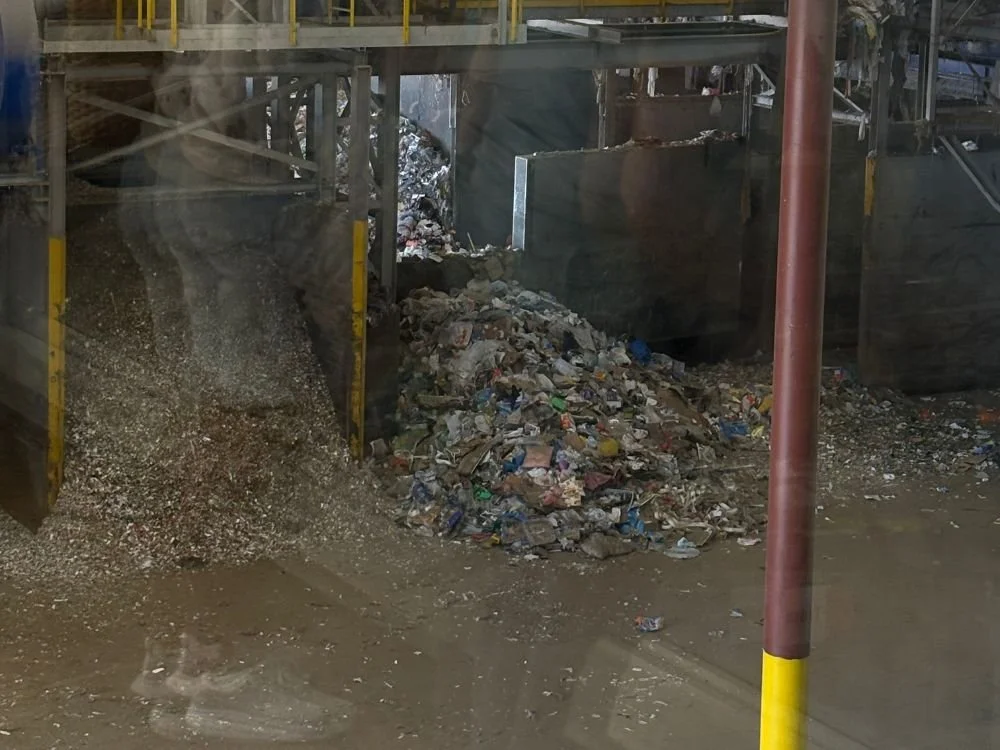
The sorting equipment needs to recognize what an item is, and if you crush something too small, it can be mis-sorted and end up somewhere it doesn't belong.
Watching these machines work also made something else click for me. We tend to think about recycling based on whether a material could theoretically be recycled, but there is an actual physical process that has to identify it, separate it and move it to the right place.
Making something teeny tiny doesn't necessarily help that process.
If it wraps around your hand, keep it out
This might be the easiest recycling advice I have ever heard.
If it can wrap around your hand, it can wrap around the machinery.
Think Christmas lights, cords and other long, flexible things that can get tangled around equipment.
Those items may have another recycling or disposal option in your community, but the regular recycling bin is not necessarily it.
I now have this sentence permanently stored in my brain, which is honestly much more useful than trying to memorize a giant list of things I can and cannot recycle.
For the love of all that is holy, not the batteries
This deserves its own section because I need everyone to hear me.
Please stop putting batteries in your regular recycling.
Batteries need to be disposed of through a separate collection system, and retailers like Home Depot or Lowe’s may offer battery recycling options depending on your location.
This is another one worth looking up locally before your next clean-out because the right option will depend on the type of battery and where you live.
Put them somewhere safe until you know where they actually belong rather than tossing them into the recycling bin and hoping for the best.
Recycling is a business
This might have been the most important thing I learned all day.
Recycling is not just an environmental practice. It is a business.
There are facilities, employees, machines, transportation systems and markets behind everything we put into that bin. What a facility can accept is connected to what its equipment can process and what can actually happen to those materials afterward.
That helped me understand why recycling rules can vary so dramatically from one place to another.
During the tour, we learned that there are no mandated recycling laws governing everything in one universal way, which means the system you have access to matters enormously.
It also means businesses have power here.
If you want a business you love to offer recycling, better packaging or different disposal options, tell them. Send the email. Leave the comment. Ask an employee. Let companies know these things matter to the people spending money with them.
No progress happens without some impact on the environment, but that doesn't mean we stop trying to make the impact better.
My biggest takeaway
If you remember three things from my recycling nerd field trip, make them these.
Separate everything you can.
Keep recyclables empty, clean and dry.
Know the rules where you live.
At the facility I toured, we learned that around 6 to 7 percent of material being sent to the landfill was improperly recycled material, including things like containers with liquid still inside and packaging that had not been properly separated.
That percentage stuck with me because so many of the mistakes we talked about were tiny.
Taking off a wrapper.
Emptying the last bit of liquid.
Keeping recycling out of a plastic bag.
Finding somewhere else for a battery.
None of those things require us to completely overhaul our lives. They require us to understand the system we're participating in.
And that is probably the biggest reason I think everyone should tour their local recycling facility if they have the opportunity.
We spend so much time talking about throwing things “away” that it becomes easy to forget away is an actual place.
Go see yours.
Look up who handles your recycling, find out what they actually accept and see whether they offer public tours. Even if you can't visit, their website should be your source of truth for what belongs in your bin.
You might find out you've been doing a few things wrong too.
Welcome to away.